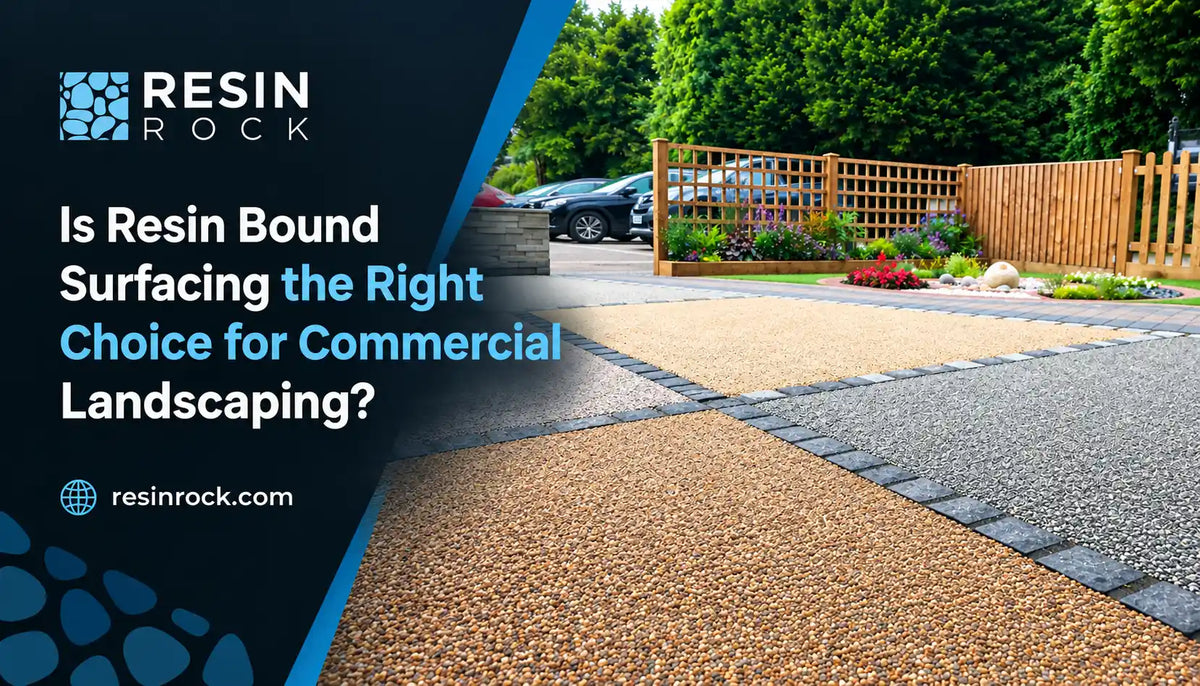
Thinking about upgrading your driveway with a sleek, modern resin bound surface? You’re not alone. Resin bound driveways have become one of the fastest-growing surfacing trends in North America, and for good reason: they’re stunning, fully permeable, exceptionally durable, and available in over 30 colors and aggregate blends.
But the first question every homeowner asks is: What does a resin bound driveway actually cost, and what factors drive the price?
The truth is, resin bound driveway costs vary based on several important factors — from the depth of installation to the type of aggregate you choose, the condition of your existing surface, and your geographic location. In this guide, we’ll break down exactly what goes into the cost, how to compare resin bound to other materials, and how to get an accurate quote for your specific project.
What Determines Resin Bound Driveway Cost?
Unlike a one-size-fits-all material, resin bound surfacing is a complete system with multiple components. The total cost of your project depends on the combination of materials required, the size and complexity of the area, and whether any groundwork or surface preparation is needed. Let’s walk through each factor in detail.
How Installation Depth Directly Affects Your Cost
Installation depth is the single biggest driver of material cost. The deeper the resin bound layer, the more resin kits and aggregate bags you’ll need per square foot. This is why a patio and a driveway of the same size can have very different material requirements.
Here’s how the Resin Rock system breaks down by depth:
|
Depth |
Recommended Use |
Coverage per Kit |
Kits per 500 sq ft* |
|
3/8″ |
Patios & light pedestrian areas |
66 sq ft / kit |
~8 kits |
|
1/2″ |
Pedestrian walkways |
50 sq ft / kit |
~11 kits |
|
5/8″ |
Heavy foot traffic areas |
48 sq ft / kit |
~12 kits |
|
3/4″ |
Driveways (most popular) |
34 sq ft / kit |
~16 kits |
|
1″ |
Heavy vehicle / turning areas |
25 sq ft / kit |
~22 kits |
*Approximate kits required, including the industry-standard 7% wastage factor for edges, trims, and site loss. Each kit requires 4 bags of 55lb aggregate.
As you can see, a patio installed at 3/8″ depth needs roughly half the material of a driveway at 3/4″. This is why resin bound patio costs are significantly lower than driveway costs — even for the same square footage. For a typical residential driveway, 3/4″ is the recommended standard as it provides the right balance of durability, strength, and value for daily car traffic.
For areas with heavy vehicles or frequent turning (like delivery van access or commercial entrances), stepping up to 1″ depth provides the maximum load-bearing performance. The Resin Rock system at full depth can support up to 30,000 lbs.
What’s Included? Full Material Breakdown
A complete Resin Rock installation involves several material components. Understanding what each one does helps you evaluate installer quotes and ask the right questions:
1. Resin Binder Kit (the core product)
The resin kit is a two-part polyurethane system (Part A + Part B) that binds the aggregate stones together. Resin Rock offers both UV-resistant (UVR) resin for all outdoor surfaces and Non-UV resin for shaded or indoor areas. UV resin is essential for any surface exposed to direct sunlight — it prevents yellowing and color fading over time. Each kit is designed to mix with 4 bags of aggregate, and the number of kits depends on your chosen depth (see the table above).
2. Natural Stone Aggregate
The decorative stones that give your driveway its color and character. Resin Rock offers 30+ aggregate blends — from classic whites like the Aspen Kit to warm tones like the Marrakesh Kit, and everything in between. Standard natural gravel blends are the most affordable option, while premium marble and specialty blends carry a higher price point. Each resin kit requires 4 bags of 55lb aggregate, so your aggregate quantity scales directly with the number of kits.
3. Sub-Base: Rock Crete System (if needed)
If you don’t have an existing solid surface to overlay, you’ll need a sub-base. Resin Rock’s proprietary Rock Crete system is a monolithic bonded polyurethane base that provides 600% more flexural strength than traditional asphalt. It’s SuDS compliant, fully permeable, and can be installed in just one day without any concrete or tarmac. Each Rock Crete unit covers approximately 100 sq ft. While it’s an added cost, it eliminates the need for expensive traditional groundwork and dramatically extends the lifespan of your surface.
4. Supporting Materials
• Primer: Applied to the existing substrate before the resin layer. Required for concrete and asphalt surfaces (not needed with Rock Crete). One gallon covers approximately 200 sq ft.
• Reinforcement Mesh: Fiberglass mesh installed beneath the resin layer for structural support. Required for driveway-depth installations (3/4″+), asphalt overlays, and all Rock Crete installs (where double mesh is used). One roll covers approximately 430 sq ft.
• Anti-Slip Crushed Glass: Broadcast over the finished surface for enhanced grip in wet conditions. Especially recommended for sloped driveways and pool surrounds. One bag covers approximately 5,000 sq ft.
• Edging / L-Channel Trims: Aluminum or metal trim pieces that create a clean finished edge and contain the resin bound surface along its perimeter.
5. Professional Labor & Installation
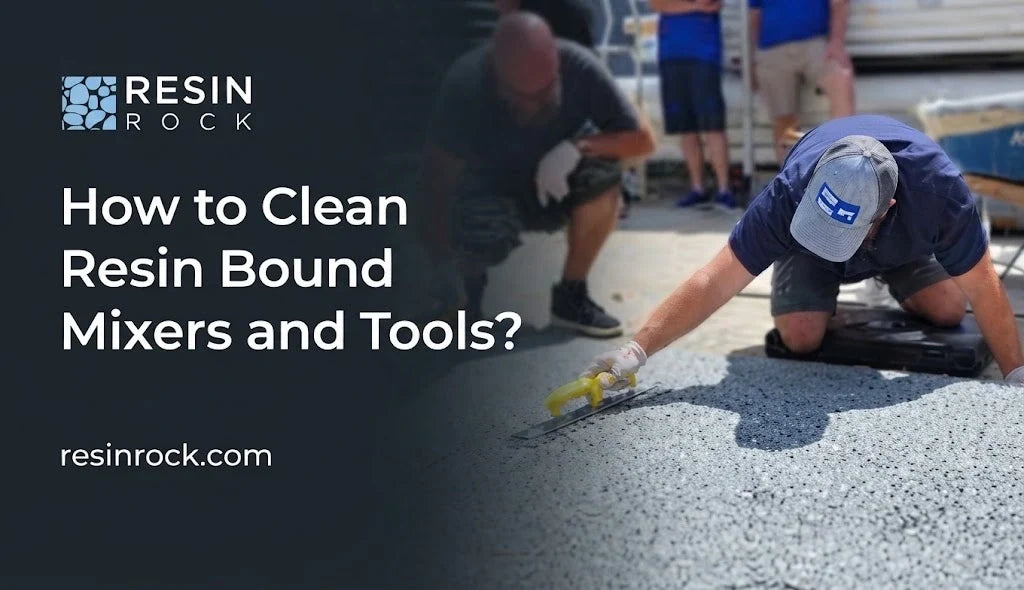
Professional installation is strongly recommended. The process requires a forced action mixer for consistent resin-aggregate blending, precise troweling technique for a smooth finish, and dry weather conditions during curing. Most standard two-car driveways can be completed in a single day once the sub-base is ready.
While DIY installation is possible, the failure rate for untrained installers is high. Improper mixing ratios (the standard binder-to-aggregate ratio is 7.5%, or 8% for marble/open blends), poor troweling, or installing in damp conditions commonly lead to cracking, loose stones, or drainage failure. This is why Resin Rock offers professional installer training programs — and why we recommend hiring a certified Resin Rock Approved Installer for homeowner projects.
7 Key Factors That Affect Your Resin Bound Driveway Cost
• 1. Installation Depth: The #1 material cost driver. A patio at 3/8″ uses less than half the material of a driveway at 3/4″. Always match depth to the intended use: 3/8″ for patios, 3/4″ for driveways, 1″ for heavy vehicle areas.
• 2. Driveway Size and Shape: Larger projects generally have a lower cost per square foot due to economies of scale. However, irregular shapes, curves, and multiple access points add complexity and labor time. The standard industry wastage factor is 7% for edges, trims, and site loss.
• 3. Aggregate Type and Quality: Standard natural gravel blends are the most affordable. Premium marble blends and specialty color combinations cost more per kit. Glow-in-the-dark Glow Rock stones add a dramatic nighttime design element at additional cost.
• 4. UV vs Non-UV Resin: UV-stable resin is essential for any outdoor surface and costs more than non-UV formulas. Non-UV resin should only be used for covered, shaded, or indoor installations where sunlight exposure is minimal.
• 5. Existing Surface Condition: Overlaying a sound existing concrete or asphalt surface saves significantly compared to full excavation and new Rock Crete sub-base installation. If your current driveway is structurally intact without major cracks, overlay is the most cost-effective path.
• 6. Geographic Location: Labor rates and material shipping costs vary by state. Resin Rock distributes from 7 locations across North America, which helps keep shipping costs competitive nationwide.
• 7. Custom Designs and Patterns: Multi-color aggregate patterns, decorative borders, logos, or intricate designs using different blend combinations add to both material and labor costs.
Resin Bound vs Other Driveway Materials: How They Compare
When evaluating driveway options, cost is just one piece of the puzzle. Here’s how resin bound compares to other popular materials across the factors that matter most:
|
Material |
Lifespan |
Permeable |
Maintenance |
Slip-Safe |
|
Resin Bound |
15–25 yrs |
Yes |
Very Low |
Yes |
|
Concrete |
20–30 yrs |
No |
Medium |
No |
|
Asphalt |
15–20 yrs |
No |
High |
No |
|
Pavers |
25–50 yrs |
Partial |
Medium |
Varies |
|
Gravel |
Ongoing |
Yes |
High |
No |
|
Chip Seal |
7–10 yrs |
No |
High |
No |
While resin bound may have a higher upfront cost than plain concrete or asphalt, it delivers superior long-term value. Its fully permeable design eliminates the need for separate drainage solutions, its low maintenance saves money year after year, and its seamless, decorative finish can boost property values significantly.
Resin bound is also one of the few driveway materials that’s naturally SuDS compliant (Sustainable Urban Drainage Systems), meaning water drains directly through the surface into the ground beneath. This reduces standing water, prevents runoff, and in many jurisdictions can simplify planning requirements.
5 Ways to Get the Best Value on Your Resin Bound Driveway
• Overlay Your Existing Surface: If your current concrete or asphalt driveway is structurally sound, resin bound can be applied directly over it. This eliminates excavation and sub-base costs, and can significantly reduce your total project cost. Your installer will assess whether an overlay is suitable.
• Choose the Right Depth for the Use: Don’t over-specify depth. A patio or pathway at 3/8″ uses almost half the material of a 3/4″ driveway installation. Match depth to traffic: light foot traffic doesn’t need driveway-depth material.
• Choose Standard Aggregate Blends: Premium marble and specialty blends look incredible, but standard natural stone aggregates deliver beautiful results at a lower price. Browse Resin Rock’s full aggregate color range.
• Get Multiple Quotes from Certified Installers: Always get at least three quotes from professionals who are trained on the Resin Rock system. Use our Find an Approved Installer tool to connect with certified pros in your area.
• Time Your Project Wisely: Some contractors offer better rates during the off-season (late fall and early spring). Resin bound installation requires dry conditions and moderate temperatures, so plan accordingly with your installer.
Why Resin Bound Is a Smart Long-Term Investment
A properly installed resin bound driveway can last 15 to 25 years with minimal maintenance. When you factor in the low upkeep costs, the absence of weed growth between joints, and the elimination of standing water issues, the total cost of ownership over its lifetime is often lower than alternatives that seem cheaper upfront.
Here’s what makes resin bound a smart financial decision:
• No resealing required – unlike asphalt, which needs resealing every 3–5 years
• No weed removal or re-sanding of joints – unlike block pavers
• No crack repair or resurfacing – unlike concrete, which commonly cracks in freeze-thaw climates
• Built-in drainage – eliminates the need for separate, costly drainage systems
• Curb appeal boost – a beautiful driveway is one of the first things buyers notice and can meaningfully increase your home’s value
• Load capacity up to 30,000 lbs – with the Rock Crete sub-base system, handling anything from family cars to delivery trucks
The Resin Rock system is engineered specifically for North American conditions. With UV-resistant resin that prevents yellowing, the Rock Crete sub-base offering 600% more flexural strength than asphalt, and distribution from 7 locations across the USA and Canada, it’s a system built for both performance and convenience.
Long-Term Maintenance: What to Expect
One of the biggest advantages of resin bound driveways is how little maintenance they require compared to other surfaces:
|
Maintenance Task |
Frequency |
Effort Level |
|
Sweeping / leaf removal |
Weekly |
Minimal (DIY) |
|
Pressure washing |
Once per year |
Low |
|
Spot repair (if ever needed) |
Rarely |
Low |
|
Resealing |
Not required |
None |
|
Weed treatment |
Rarely needed |
Minimal |
Compare that to asphalt, which needs resealing every 3–5 years, or block paving that requires regular weed treatment and joint re-sanding. Over a 20-year period, resin bound’s minimal maintenance needs translate to significant savings.
Frequently Asked Questions
Can I install a resin bound driveway myself to save money?
It’s possible, but not recommended for beginners. Resin bound installation requires precise mixing ratios (the standard binder-to-aggregate ratio is 7.5%, or 8% for marble/open blends), proper use of a forced action mixer, correct troweling technique, and dry weather conditions. Improper installation commonly leads to cracking, poor drainage, or loose stones. For contractors looking to add resin bound to their services, Resin Rock offers comprehensive physical and online training programs.
How does resin bound compare to block paving on cost?
Resin bound is generally competitive with or less expensive than block paving for the initial installation, and significantly cheaper in the long run. Block paving requires ongoing maintenance — weed removal, re-sanding of joints, and re-leveling of shifted pavers — while resin bound is virtually maintenance-free. Contact a Resin Rock Approved Installer for a detailed comparison quote for your specific project.
How much can I save by resurfacing over my existing driveway?
Overlaying an existing sound concrete or asphalt surface is one of the most cost-effective ways to get a resin bound driveway. By eliminating excavation and sub-base costs, you can save a substantial portion of the total project cost. Your installer will assess the condition of the existing surface and may recommend primer application (covers ~200 sq ft per gallon) and reinforcement mesh for optimal adhesion.
Does a resin bound driveway add value to my home?
Yes. A beautifully finished driveway is one of the first things buyers notice, and it contributes directly to curb appeal. Resin bound surfaces, with their smooth, seamless finish and wide range of color options (Resin Rock offers 30+ blends), are particularly eye-catching and can meaningfully increase your property’s market value.
How long does installation take?
A standard two-car driveway can typically be installed in a single day once the sub-base is prepared. If ground preparation, excavation, or Rock Crete sub-base installation is needed, the full project may take 2–3 days. The surface is usually ready for foot traffic within 4–6 hours and vehicle traffic within 24 hours.
Can resin bound driveways handle heavy vehicles?
Absolutely. Installed at 1″ depth with the Rock Crete sub-base system, the Resin Rock system can support up to 30,000 lbs. For standard residential driveways, 3/4″ depth provides more than enough strength for everyday use.
What’s the difference between resin bound and resin bonded?
In resin bound (what Resin Rock provides), aggregate is fully mixed with the resin before being troweled onto the surface, creating a smooth, seamless, permeable finish. In resin bonded, loose aggregate is scattered over a layer of adhesive, resulting in a textured surface that’s not permeable and often sheds stones over time. Resin bound is the superior system for durability, drainage, and longevity.
How do I get a glow-in-the-dark driveway?
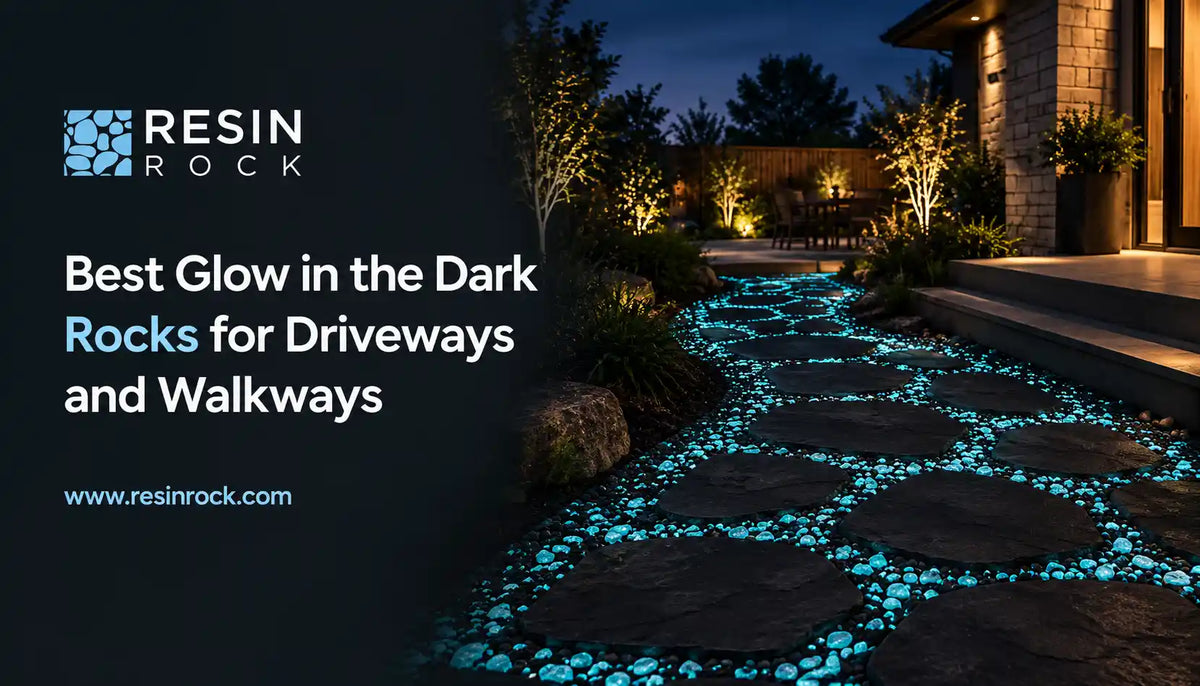
Resin Rock’s Glow Rock products are photoluminescent stones that charge in sunlight during the day and glow at night. They can be mixed into your aggregate blend or used as decorative feature strips, borders, or safety highlights along edges and steps. Available in Aqua, Emerald, and Sky colors. Explore the full range.
Get a Free Quote for Your Project
The best way to understand exactly what your resin bound driveway will cost is to get a personalized quote from a certified professional who can assess your site, recommend the right depth and materials, and provide an accurate estimate. Here’s how to get started:
• Homeowners: Find a certified Resin Rock Approved Installer near you and request a free quote.
• DIY Enthusiasts: Browse the complete range of resin kits and aggregate blends.
• Contractors: Become a certified installer with hands-on training or online.
• Business Partners: Explore distributor and business opportunities.
Resin Rock is the #1 distributor of resin bound hardscape solutions in North America, distributing from 7 locations across the USA and Canada. With 30+ color blends, professional training programs, and a network of certified installers coast to coast, we make it easy to get the driveway you’ve always wanted.
Call us at 941-415-0273 or visit resinrock.com to get started today.