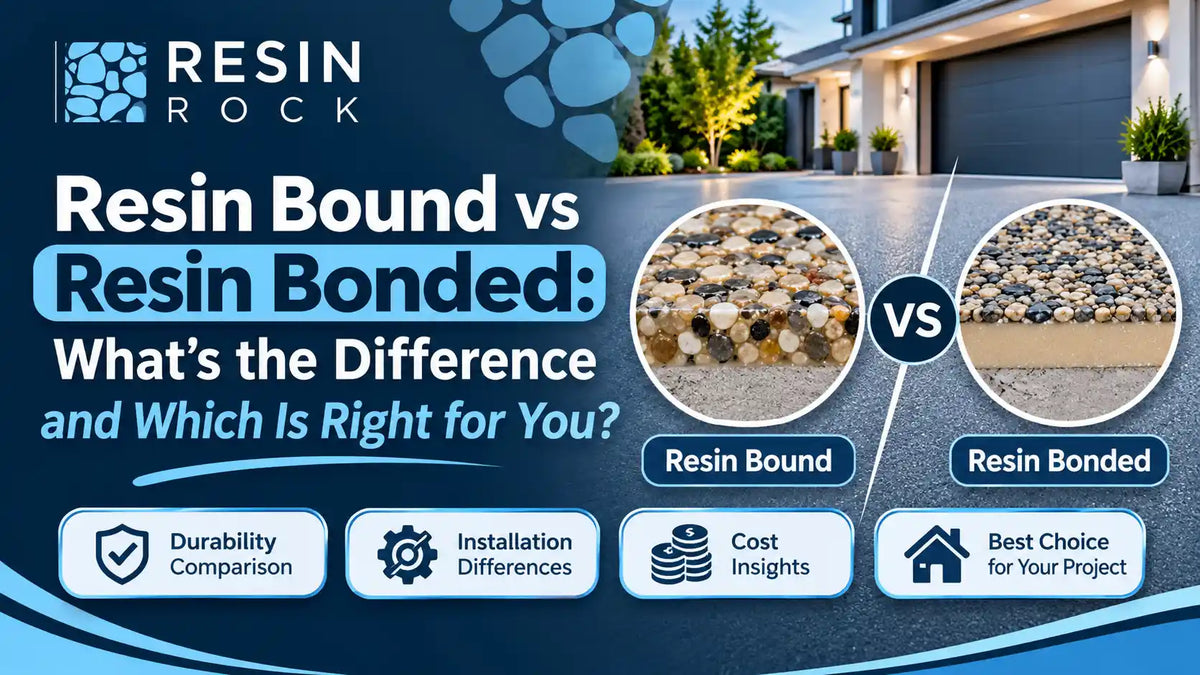
Although Resin Bound and Resin Bonded surfaces may seem very similar, there is a big difference in their construction. Resin bound stone is mixed with resin, meaning a smooth, permeable and durable surface is created. Resin bonded stone is applied by applying resin to a surface and then scattering stone upon this, creating a coarse surface with a looser texture. It is also cheaper than Resin Bound. This guide will help you to determine what surface type to choose (resin bound vs resin bonded) for your driveway, patio or garden path. We will explain how these surfaces are made and which surface would be the best choice for your property.
What Is a Resin Bound Surface?
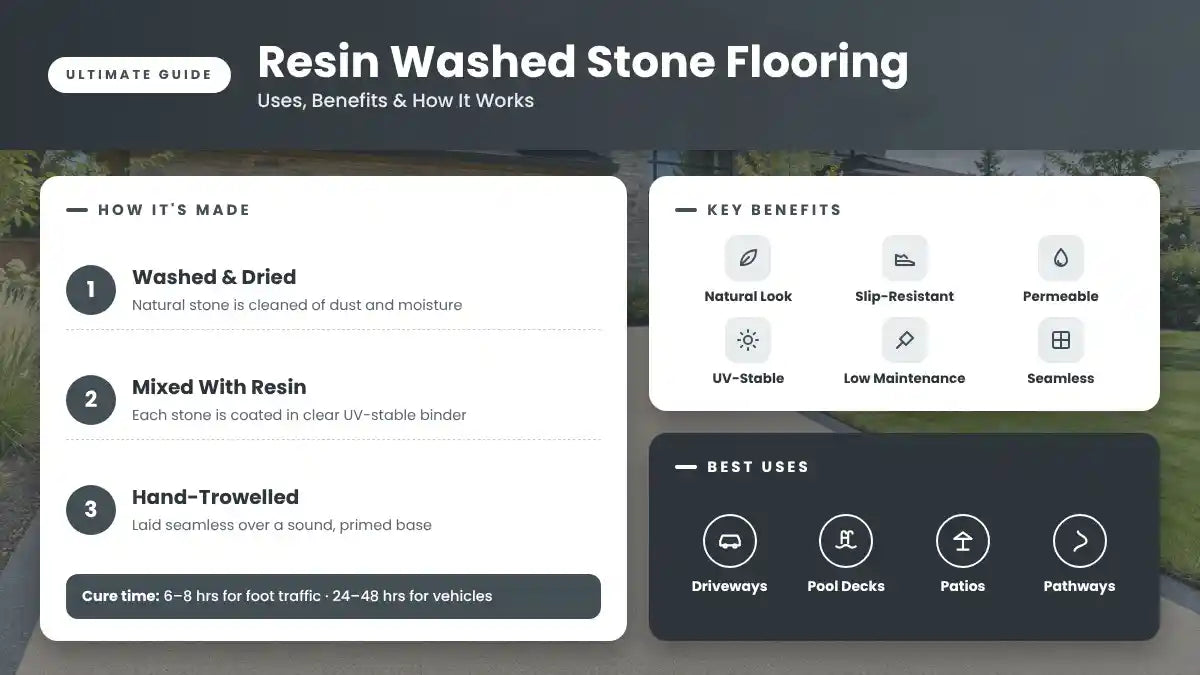
Natural or ornamental aggregates can be combined with a UV resistant resin and then applied using a trowel to a resin bound surface. The resin is applied in a 'slab,' typically 12-24 mm in depth. All the individual stones are encapsulated in resin and fixed in position to produce a flat and continuous surface with no loose stone.
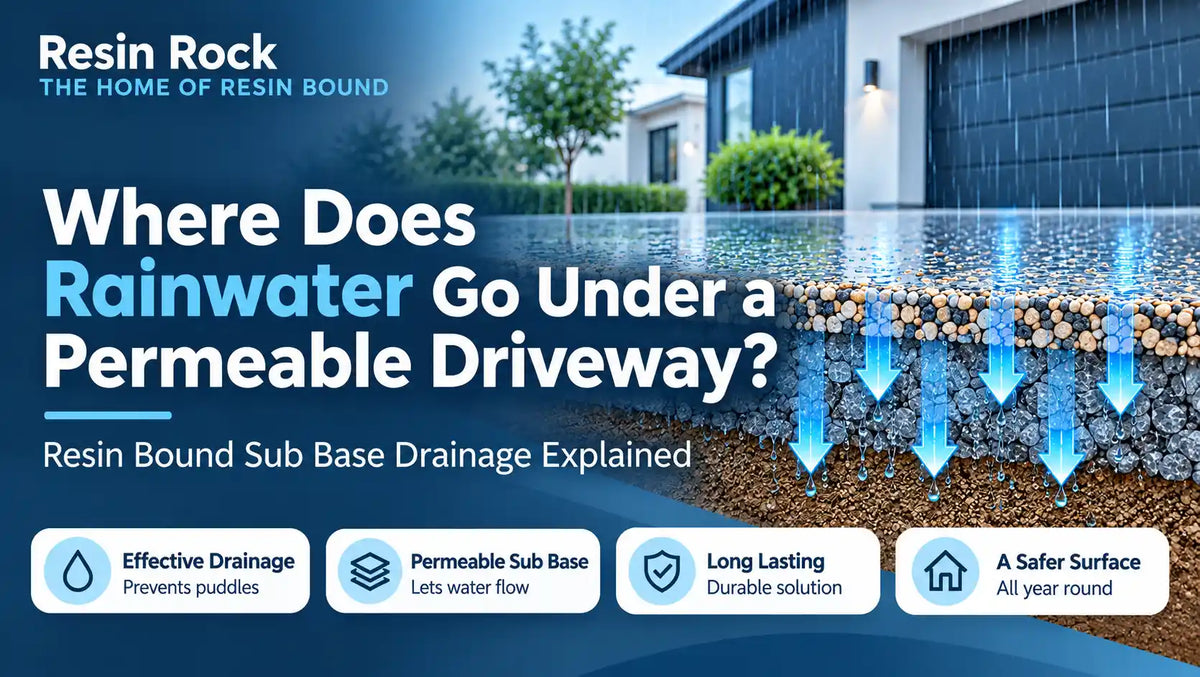
As the aggregate is uniformly dispersed throughout the resin, there are minute voids between the stones that enable water to permeate through the surface and into the subsoil. For these reasons, it is commonly specified as an appropriate permeable surface material and is frequently used in the UK to comply with Sustainable Drainage Systems (SuDS) recommendations. Consequently, it is much less likely that you will experience standing water on your resin bound surface following periods of intense rainfall.
What Is a Resin Bonded Surface?
A resin bonded surface works the other way round. A clear resin is first applied to a suitable substrate. Dry aggregate is then scattered over the wet resin so that the aggregate is completely covered. After the resin has fully hardened, surplus aggregate can be swept off. What remains is one layer of aggregate that has been bonded to the surface.
This produces an uneven surface that is somewhat gritty. As the resin is underneath the aggregate, rather than surrounding it, the surface is not inherently porous, and so water will merely slide off. Generally, bonded surfaces are both shallower and faster to apply, so again, this is a key reason for the reduced price.
What Are the Main Differences Between Resin Bound and Resin Bonded?
Installation is the key point of difference, and most other points stem from this. Resin bound is produced by mixing stone and resin. This is then installed in one go. With resin bonded, resin is installed initially, and then stone is applied as a surface dressing.
These therefore affect the appearance, texture and functionality of the surface. Resin bound has a flat and even surface and is a single integrated item. Resin bonded is more textured and may have a slightly inconsistent color due to the stones not being perfectly even. It can also lose a small number of stones in the initial weeks following installation. As noted above, factors such as drainage, longevity, maintenance and cost are affected by this key point of difference. Each of these is discussed further below.
Which Is More Durable: Resin Bound or Resin Bonded?
Resin bound can usually be considered a harder option. As the stones are fully encased within the resin, which is also applied at a greater depth than a resin bonded surface, the surface is less prone to general wear, cracking and stone dislodgement. With suitable installation, resin bound driveways can last for 15-25 years. They are also good for regular vehicle use, and a robust sub-base will further assist in providing long-term strength.
Generally speaking, resin bonded surfaces will last for 10-15 years. However, as the resin only adheres to the reverse side of the stones, stones can become dislodged at points where vehicles are maneuvered, brake, and/or speed up, especially on more heavily used driveways. Even so, bonded surfaces continue to offer good performance in low-traffic locations, including garden paths, patios and footpaths.
Which One Drains Water Better?
Resin bound allows the surface to be permeable. Rain can therefore pass through the surface and into a permeable sub-base, thus reducing surface water and decreasing flood risk. This will also aid compliance with local planning and drainage regulations for front garden paving.
Unlike resin bound though, resin bonded does not allow for permeability. Usually water will flow off the surface and then has to be either drained, absorbed or allowed to grow in. When deciding on a front garden driveway, it is essential that you ascertain this information from your local council or installer.
How Do the Costs Compare?
Resin bonded can be more economical. Again, costs will depend on location, existing surface quality and the selected aggregate. Generally, as it requires less product and is quicker to install, resin bonded is also often more economical on a per square meter basis when compared to resin bound. Within the UK, generally bonded products are towards the more economical side of the market, and bound surfacing is usually found towards the more expensive.
However, the most economical choice is not necessarily the best long-term value for money. Although resin bound is often more long-lasting and requires less maintenance, the overall cost can prove equal or indeed more favorable. When you compare quotes, look at the expected lifespan, the guarantee offered and the quality of the base preparation, as well as the headline price per square meter.
What Are the Maintenance Needs of Each Surface?
Compared to block paving and gravel, resin bound and smooth-bound are both easy to maintain. Simply sweeping and occasionally hoseing down and pressure washing (once or twice a year) will usually suffice in order to clean the surface and remove moss and algae. As there are no loose stones, there is nothing to replenish or relay.
A small amount of extra care is required for resin bonding. For the initial period, it is advisable to sweep away any loose stones. In addition, at some stage you may wish to re-bond areas of the resin that have thinned or become damaged. Ideally, avoid allowing leaves, earth and other materials to accumulate on the surface, as the dirt can sometimes be more difficult to clean off than from a smooth, bound surface.
Which Looks Better?
Resin bound can be selected on an individual basis. It has a modern, continuous and shiny surface, which is very appropriate for today’s houses. It is available in many different colors and stone mix options. As it is hand-troweled, it can easily conform to curves and therefore can be applied to patios, pools, footpaths and even bigger driveways. You can see how it looks in practice in our completed resin driveway projects.
It is also available in resin bound; this has a natural, pebbly finish and is also slightly sticky. This is ideal for people wanting to achieve an attractive gravel effect without the problems that can be caused by free-flowing gravel. Again, its additional texture means that it is also ideal for use on ramps, steps and even uneven ground areas.
Which Surface Is Right for Your Property?
Resin bound can be used for a durable, porous and even drive surface, which will be used regularly. It can also be utilized where good drainage is required. It is preferable for patios and paths, as it can produce an even and well-presented surface. It is also favored by those wishing to achieve minimum long-term maintenance.
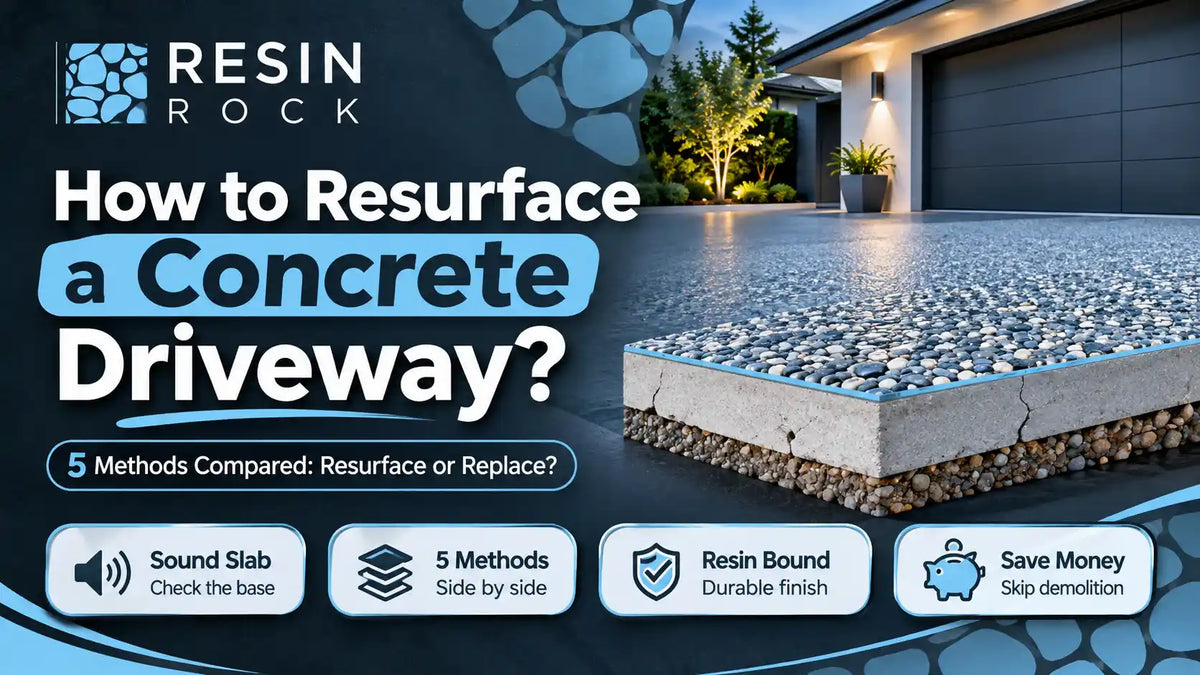
This option is good value for money and suitable for mainly pedestrian areas. It can also be used to resurface pre-existing acoustical surfaces such as concrete and tarmac, adding a quick, interesting finish. It can also be applied to sloping ground and stairs in order to provide added traction. Again, it is best for a professional installer to assess the underlying surface, as both options require a strong and secure sub-base in order to function effectively.
Frequently Asked Questions
Is resin bound better than resin bonded?
Resin bound is more robust and offers better permeability and finish, so it is generally the preferred option. For a cheaper option that provides a rougher surface, resin bonded would be more appropriate. It is important to consider both the application for which the area is required and also your budget when deciding which option to select.
Can you lay resin bound over existing concrete or tarmac?
Generally, it is possible to install resin bound onto good quality concrete or tarmac. The existing surface must be stable and without significant cracking. It should also not form pools of water. If a high level of permeability is required then a porous sub-base would be suggested as an underlying layer, as it will improve drainage. Prior to installation, an installer should inspect the existing surface.
Which lasts longer, resin bound or resin bonded?
Resin bound can be more long-lasting and is often laid for 15 to 25 years. Resin bonded can last from 10 to 15 years, which will also depend on the level of footfall. As well as the type of surfacing, good sub-base work and installation are key.
Is resin bonded slippery or rough?
Resin bonded is more textured than resin bound as the stones are placed onto the resin. This creates a highly effective surface for providing grip. Resin bound is also non-slip if applied properly. In general, both types of resin surfaces are thought to be safe for patios and driveways.
Do resin driveways need planning permission?
Usually, permeable materials, for example, resin bound, will not require planning permission for front gardens. However, areas of non-permeable surface greater than 5 m² may require planning permission if water cannot be diverted to a lawn/bed. Planning permission requirements can also vary depending on both local authority and property type. It is advisable therefore to consult your local council.
Final Thoughts
Decisions on whether to use resin bound or resin bonded can be made based on the intended use of the area, required durability and preference for initial and future expenditure. Resin bound provides a durable and highly workable solution, which is suitable for the majority of driveway and high-traffic applications. Resin bonded is a cheaper alternative that has a rougher appearance and is good for paths, gradients and low traffic areas. If you are still unsure, speak to an experienced resin driveway installer near you who can inspect your site, explain the options clearly, and give you an honest quote.
Ready to upgrade your outdoor space? Contact our team for a free, no-obligation quote and expert advice on the right resin surface for your home.