Resin Flooring: Simple Guide + Why Resin Rock Flooring Is Different
Resin flooring is a durable surface system that uses a resin “binder” to create a strong, long-lasting finish. It’s used in homes and commercial spaces because it’s clean-looking, easy to maintain, and built for daily wear.
In this guide, you’ll learn:
- What resin flooring is (in simple terms)
- The main types of resin flooring
- Pros, cons, and cost factors
- Why Resin Rock flooring is a premium decorative option
Start here if you want a stone-finish resin floor
What Is Resin Flooring?
Resin flooring is a flooring system where resin is applied (sometimes with additional materials) to form a hard-wearing surface.
There are two main styles people usually mean when they say “resin flooring”:
- Smooth resin floors (like epoxy-style coatings)
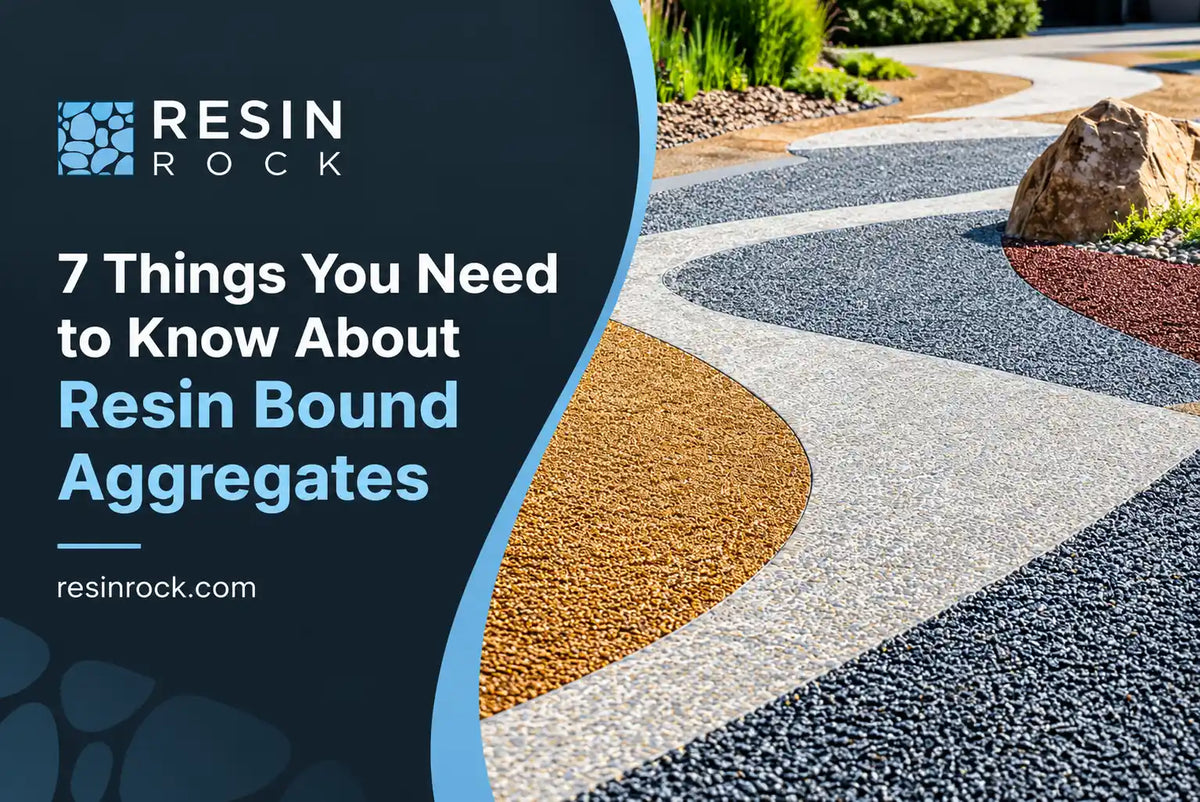
- Decorative resin + aggregate floors (like stone carpet / resin bound finishes)
Resin Rock flooring is designed for that decorative stone-finish category.
See how it looks in real projects: Projects / Gallery
Types of Resin Flooring (Easy Breakdown)
1) Stone Carpet Resin Flooring (Decorative)
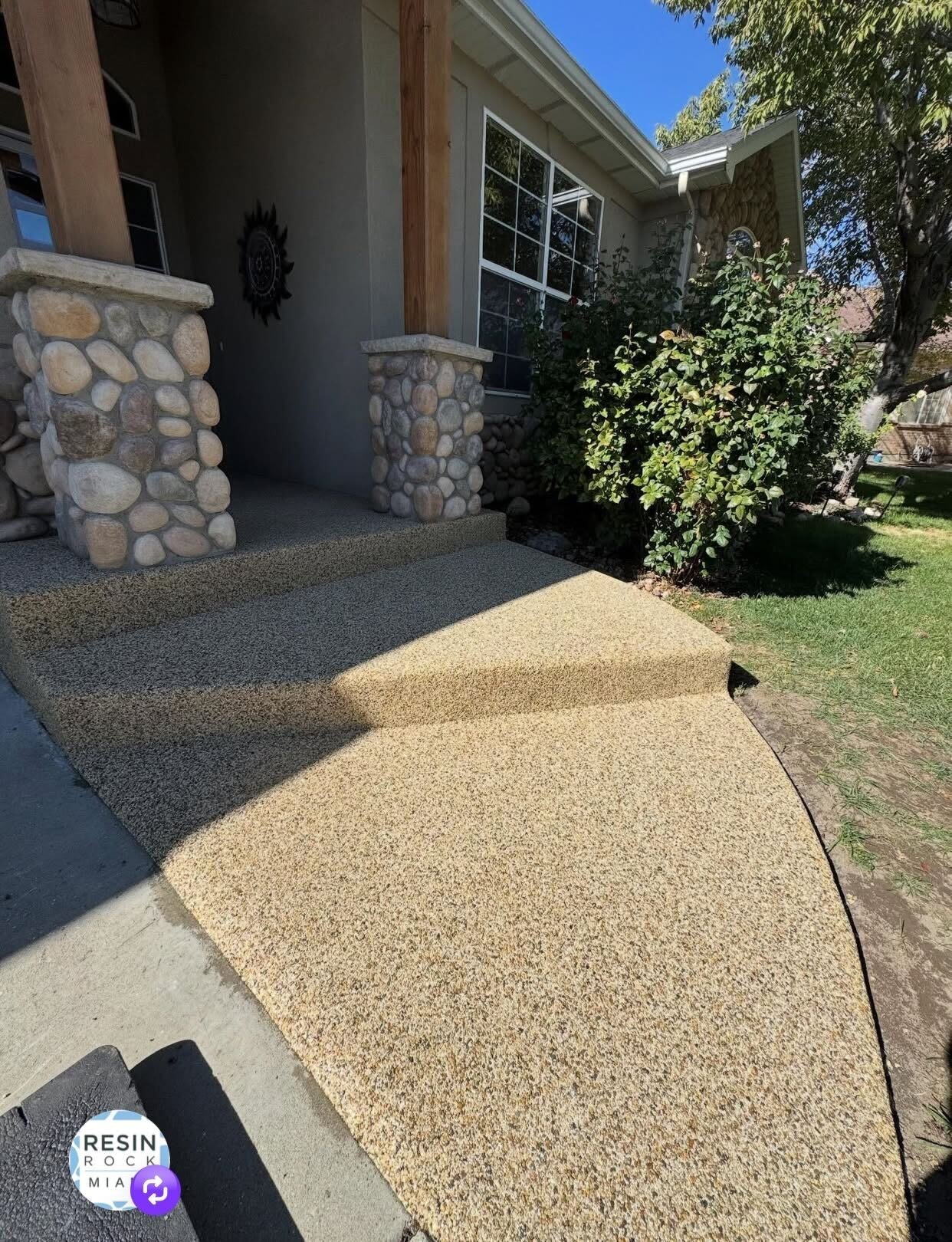
This is a premium resin flooring style where natural stone aggregates are bound with resin to create a textured, high-end finish.
Best for:
- Entryways and lobbies
- Showrooms and retail spaces
- Patios and outdoor living areas
- Walkways and feature areas
2) Epoxy Resin Flooring (Smooth Finish)
Often used in:
- Garages
- Workshops
- Warehouses
3) Polyurethane Resin Flooring (More Flexible)
Often used where you want:
- Comfort underfoot
- Extra flexibility
- High wear resistance
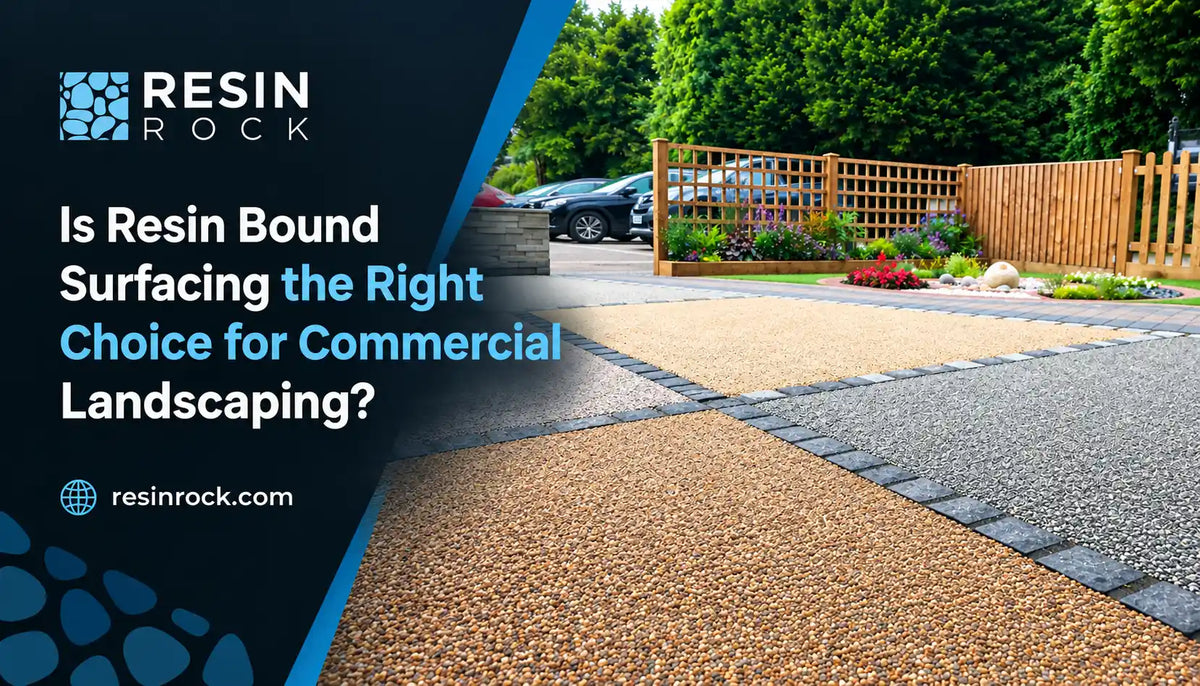
For outdoor surfacing systems, see: Resin Bound Surfacing
Benefits of Resin Flooring (Why People Choose It)
Here’s why resin flooring is popular:
- Seamless look (no grout lines)
- Easy to clean and maintain
- Durable for daily traffic
- Modern finish for premium spaces
- Design options (colors, textures, blends)
Want to choose a look? Browse: Aggregates
Resin Flooring vs Tile vs Concrete
Resin Flooring
- Seamless and modern
- Easier maintenance than tile
- Great durability when installed correctly
Tile
- Grout lines stain and collect dirt
- Cracks can happen
- More cleaning effort over time
Concrete
- Durable but can stain and crack
- Often looks plain without a finish
- Usually needs sealing or coating
What Makes Resin Rock Flooring Special?
Resin Rock flooring focuses on decorative resin flooring systems—especially stone carpet and resin bound finishes.
A Resin Rock flooring system typically includes:
- Resin binder (the “glue” that locks stone together)
- Natural aggregates (the finish and texture)
- System components designed to perform consistently
Shop system components here: Resin Kits
Where Resin Rock Flooring Works Best
Resin Rock flooring is ideal where you want premium curb appeal or interior finish with practical maintenance.
Great use cases:
- Entryways / foyers
- Retail and showrooms
- Covered outdoor spaces
- Patios and walkways
- Commercial lobbies and entrances
Need help choosing the right system? Contact Us
Cost: What Affects Resin Flooring Price?
Resin flooring cost depends on:
1) Surface preparation (biggest factor)
Prep usually includes:
- cleaning
- grinding
- repairing cracks
- priming (when needed)
2) System type
Decorative stone finishes are priced differently than smooth coating systems.
3) Size + complexity
Edges, steps, borders, and tight spaces increase labor.
4) Materials chosen
Your aggregate blend and resin system affect final cost.
Explore blends here: Aggregates
Installation Basics (Simple Overview)
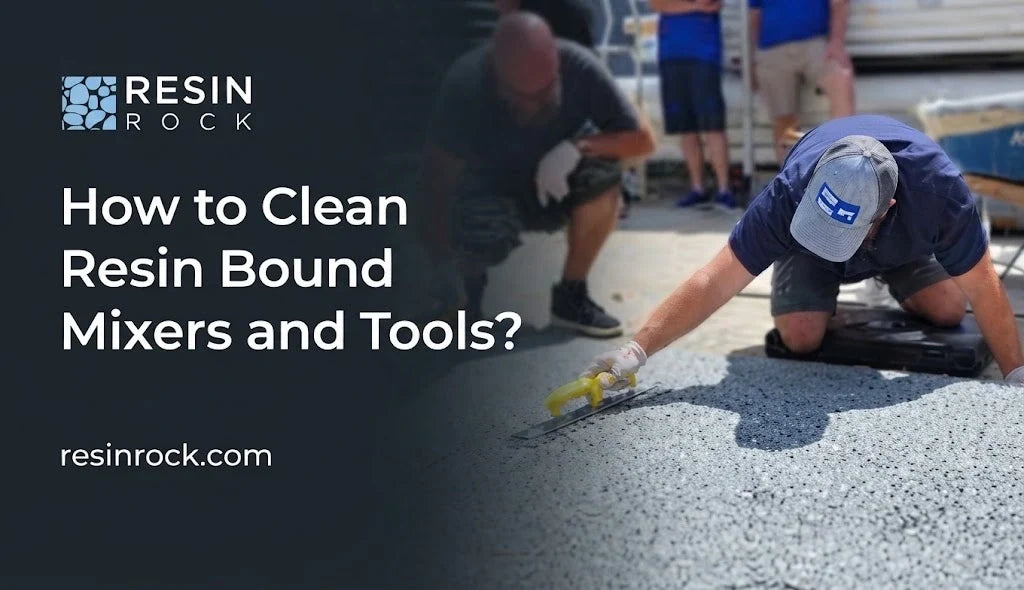
A typical resin flooring process looks like:
- Prep the base
- Prime (if required)
- Apply the resin system
- Finish and cure
Want product documents and guides? Brochures & Downloads
Common Mistakes to Avoid
Avoid these issues to get the best long-term result:
- Skipping proper prep
- Installing on a wet/weak base
- Wrong mix ratio
- Poor mixing
- Rushing cure time
- Using the wrong resin in full sun
Need an installer? Find an Installer
Need local supply? Find a Distributor
FAQs
Is resin flooring waterproof?
Resin flooring can be water-resistant, but performance depends on the system and correct installation.
Is resin flooring slippery?
It depends on the finish and aggregate texture. Many systems can be built with slip resistance.
How long does resin flooring last?
With correct prep and installation, resin flooring can last for years. Base quality is the #1 factor.
Can resin flooring be used outdoors?
Yes—especially decorative systems like stone carpet and resin bound surfacing. See: Resin Bound Surfacing