Resin bound aggregates decide how a driveway, path or patio looks and how long it lasts. Stone colour is only part of the picture. Quality, preparation and the way aggregate is matched to resin all shape the finished surface. Resin Rock supplies resin bound materials to installers and homeowners, and these are the seven points we explain before any order is placed.
What Are Resin Bound Aggregates?
Resin bound aggregates are natural stones such as quartz, granite, marble and flint that are washed, dried and graded by size. They are mixed with a two part resin and trowelled flat to form a smooth, permeable surface with no loose stone. This differs from resin bonded, where stone is scattered over a layer of resin and some pieces stay loose. Resin bound aggregate surfacing is the preferred choice for a resin bound aggregate driveway or paving because the surface holds together and water drains straight through it.
1. Aggregates Must Be Clean
Stone leaves the quarry with clay, silt and organic matter on it. Left in place, these coat the surface of each piece and weaken the bond with the resin. The result is weak spots that loosen under traffic. Quality resin bound aggregates are washed before drying, so the resin grips bare stone. Check that bags arrive sealed and free of staining or soil.
2. Aggregates Must Be Dry
Moisture is the biggest threat to a resin bound installation. Most resin binders react with water, which can cause foaming, a cloudy finish or weak curing. Reliable Resin Bound Aggregate Suppliers kiln dry every batch and pack it sealed. On site, keep bags off the ground and under cover, and never use stone that feels damp. A wet bag costs far less to return than a driveway costs to lay twice.
3. Aggregates Must Be Dust Free
Dust soaks up resin like a sponge. Once dust enters the mix, the resin that should coat the stone is used up elsewhere, leaving dry patches and a hazy surface. Good suppliers screen their aggregates after drying to remove fines. If you see a fine powder in the bottom of a bag, report it before mixing, not after laying.
4. Colour Changes from Batch to Batch
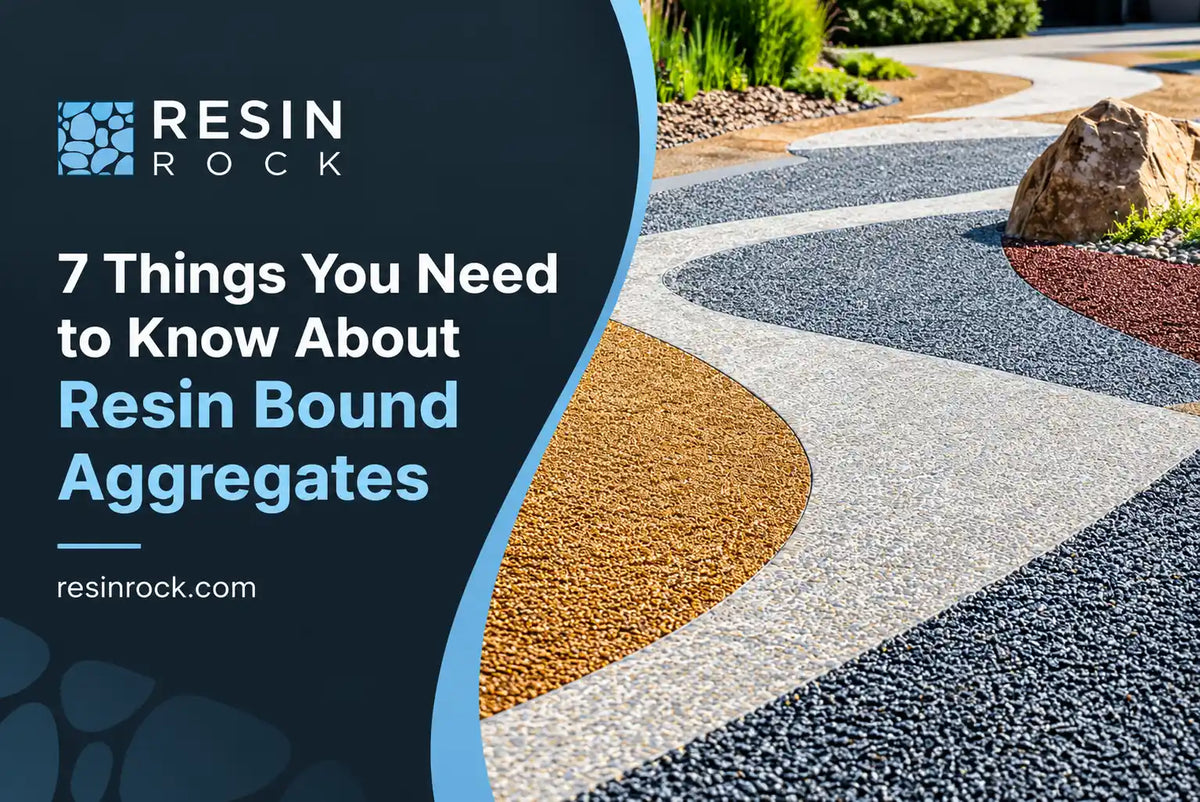
Stone is a natural material, so shade and tone vary between production runs. Two batches of the same blend can look slightly different once laid side by side. Order the full quantity for a project at one time, with a small allowance for wastage, and confirm every bag carries the same batch number. This matters most on large driveways, where a visible join is hard to hide. Our guide to resin bound driveway colors shows how blends look once installed.
5. Size and Grading Control Texture and Drainage
Resin bound aggregates come in common size ranges such as 1 to 3 mm, 2 to 5 mm and 3 to 6 mm. Smaller stone gives a tighter, smoother surface that suits patios and paths. Larger stone gives more texture and faster drainage, which suits driveways. Layer thickness matters too, since vehicle areas need a deeper layer than footpaths. A supplier should explain which grade fits your use, not simply sell what is in stock.
6. Stone Type Must Match the Resin
Quartz and granite hold up well under vehicles and foot traffic. Marble is softer and suits lighter use. Light coloured aggregates show any resin tint, so a UV stable binder is essential outdoors, particularly under strong sun. A binder that is not UV stable can yellow, which changes the colour you chose. Our explanation of what a UV resin binder does covers this in detail.
7. The Mix Ratio and Kit Decide the Result
Resin and aggregate must be combined in the ratio set by the resin maker. Too much resin leaves a glossy, slippery top. Too little leaves stone that comes loose. A resin bound aggregate kit solves this by supplying pre measured aggregate and two part resin together, so every mix is the same. Mix thoroughly, avoid over trowelling, which causes patchy colour, and follow the manufacturer’s guidance on temperature, because resin cures slowly in cold weather.
Quality Aggregate Still Needs a Sound Base
Even the best Resin Bound Aggregates cannot hide a weak foundation. A permeable, stable base of porous asphalt or permeable concrete lets water drain and prevents cracking, and the surface must be clean and dry before laying starts. Avoid laying in rain or on damp ground, because moisture below the surface causes the same problems as wet stone above it.
Quick Summary
Clean, dry, dust free stone from one batch, graded for the job, matched to a UV-stable resin and mixed by kit, gives a surface that stays strong, even and attractive.
What to Ask a Resin Bound Aggregate Supplier?
Before you buy, ask whether each batch is moisture tested, whether stone is screened for dust, whether batch numbers are recorded, and whether samples and technical support are included. Ask which resin the aggregate is designed to work with. Answers to these questions separate a supplier who stands behind the material from one who only sells it.
Buy Resin Bound Aggregates from Resin Rock
Resin Rock supplies resin bound aggregates, kits and resin bound surfacing materials for driveways, paving and patios, with technical support from selection to installation. Every product is chosen to work as one system, so aggregate, resin and base perform together. Contact our team to request samples or a quote for your project.