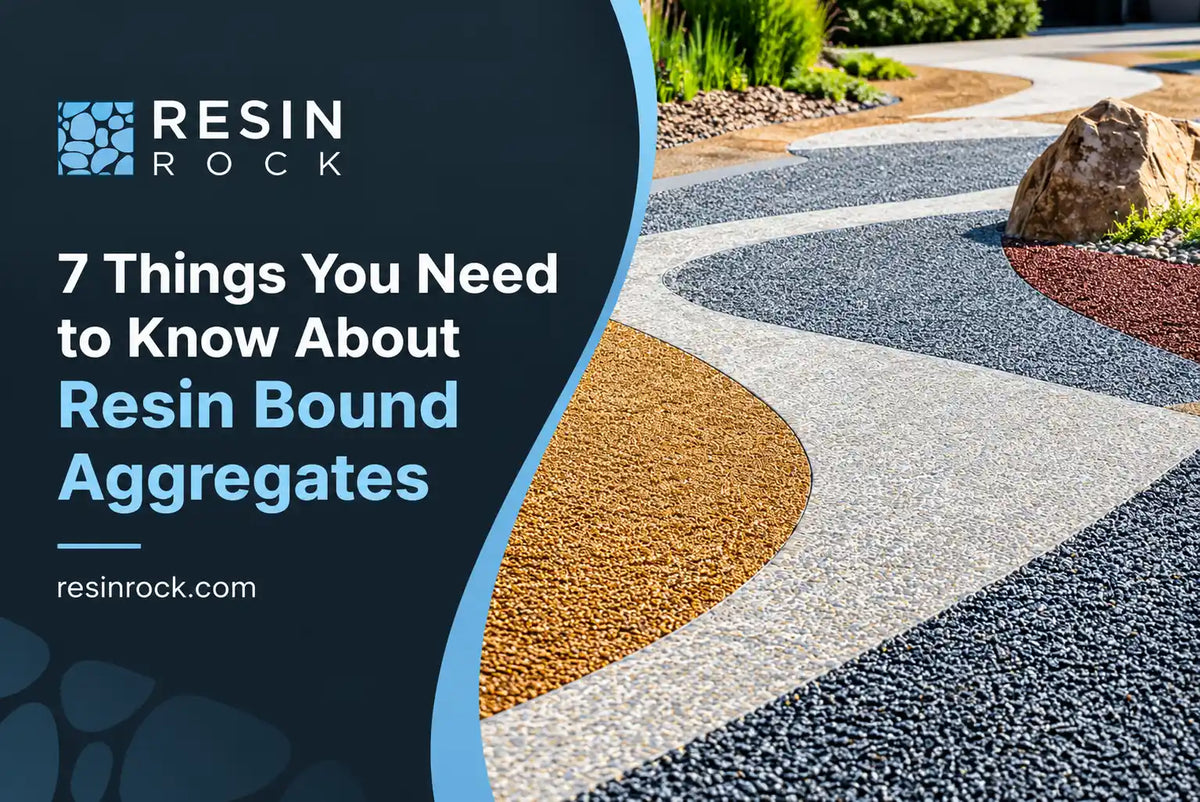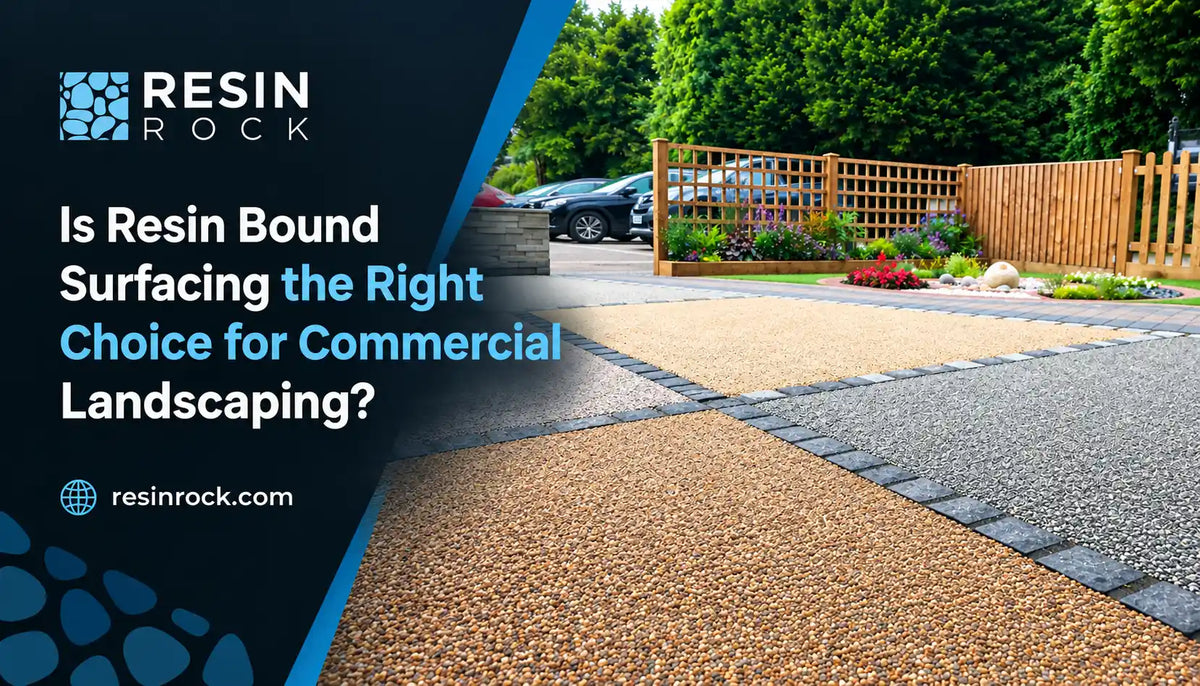
Stone carpet flooring is a modern, seamless surface created by combining natural stone aggregates—such as marble chips, quartz granules, or river pebbles—with a clear polyurethane resin binder. Once applied and smoothed, it forms a continuous surface that resembles a natural stone carpet.
Unlike traditional flooring options like tile or wood, this system has no joints, seams, or grout lines. This means there are no hidden spaces for dirt, bacteria, or moisture to collect, making it a cleaner and more hygienic solution.
The surface itself remains slightly textured, offering excellent grip while still being comfortable to walk on. This balance between safety and aesthetics is one of the key reasons behind its growing popularity.
Stone carpet flooring is also known by several other names, including resin bound stone, pebble carpet, and aggregate flooring. Regardless of the name, the system remains the same—durable, seamless, and visually appealing. Premium systems, like those using UV-stable polyurethane binders, provide superior strength, long-term color stability, and resistance to harsh weather conditions.
Where Can Stone Carpet Flooring Be Used?
One of the biggest strengths of stone carpet flooring is its versatility. It can be installed in both indoor and outdoor environments, making it suitable for residential as well as commercial applications.
Indoor Applications
Inside the home, stone carpet flooring is becoming a popular alternative to traditional materials. It offers a unique aesthetic while maintaining practicality and durability.
In kitchens and dining areas, the seamless surface makes cleaning spills quick and easy. Bathrooms and wet rooms benefit from its natural slip resistance, especially when floors are wet.
Basements and garages are ideal locations due to the material’s ability to withstand heavy loads, chemicals, and tire marks. Entryways and hallways also benefit from its durability, as it maintains its polished look even under constant foot traffic.
It can also be applied to staircases, creating a continuous, non-slip finish without visible transitions. In commercial settings such as retail stores, restaurants, hotels, and offices, it delivers both performance and a premium appearance.
Another advantage is its compatibility with underfloor heating systems, making it a comfortable option in colder climates.
Outdoor Applications
Stone carpet truly stands out in outdoor environments. When installed with a UV-stable polyurethane binder, it can handle sun exposure, rain, frost, and temperature fluctuations without cracking or fading.
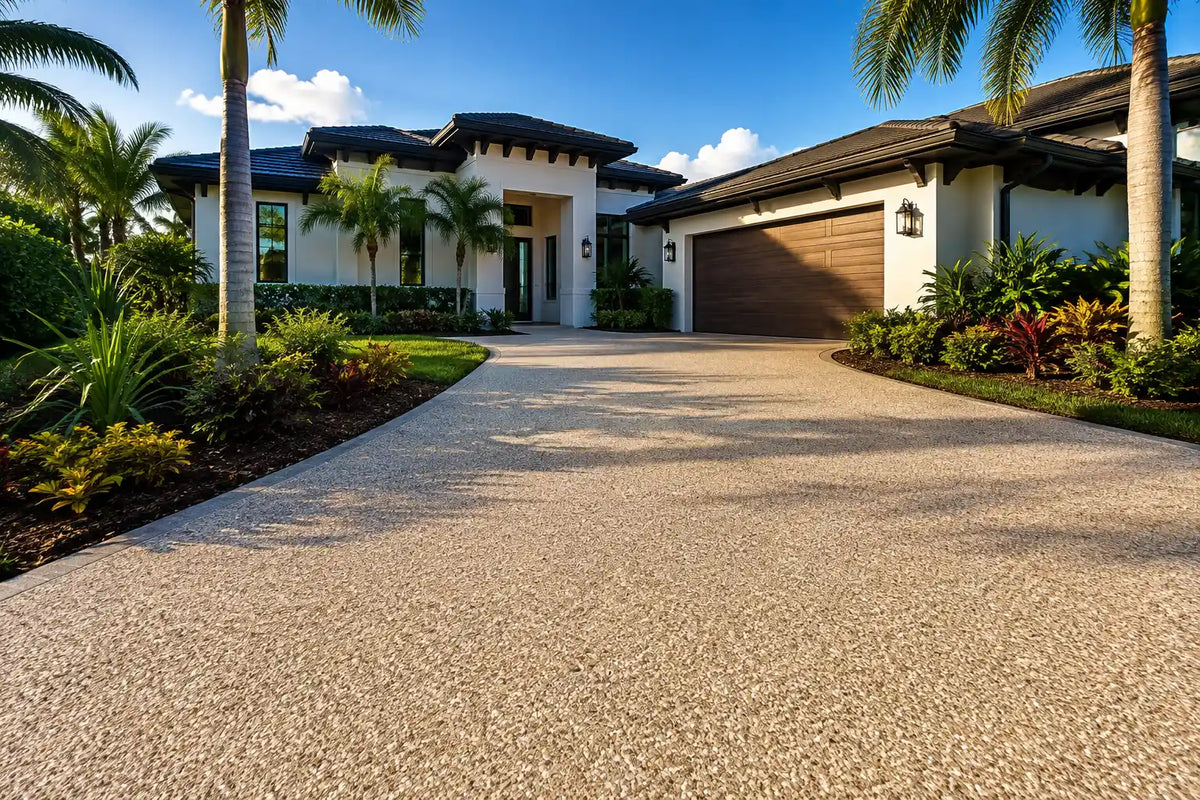
Driveways are one of the most popular applications, as the system can support significant weight when installed at the correct depth. Patios and courtyards benefit from its seamless, elegant look, transforming outdoor spaces into modern living areas.
Pool decks and surrounds are another ideal use case due to their slip-resistant and water-draining properties. Walkways and garden paths blend naturally with landscaping, while balconies and terraces can be upgraded without removing existing surfaces.
Commercial entrances and parking areas also benefit from its durability and ability to handle both foot and vehicle traffic.
Stone Carpet Flooring vs Traditional Flooring Options
When compared to traditional flooring materials, stone carpet stands out in several important ways.
It offers a completely seamless surface, unlike tiles or hardwood, which have visible joints and seams. Its slip resistance is significantly better, especially in wet conditions, making it a safer choice.
One of its most unique features is permeability—it allows water to drain through naturally, which most other flooring systems cannot do. This makes it ideal for outdoor installations.
In terms of durability, it can last over 25 years with minimal maintenance. It also works both indoors and outdoors, unlike materials such as hardwood, which are limited to interior use.
Another key advantage is its ability to be installed over existing surfaces, reducing the need for costly demolition.
Overall, it combines the best features of multiple flooring types into one system—durability, safety, aesthetics, and low maintenance.
What Makes a Good Stone Carpet System?
Not all stone carpet flooring systems are created equal. The quality of the final result depends heavily on materials and installation techniques.
Resin Binder Type
The type of resin binder used is the most critical factor. Epoxy-based systems are cheaper but tend to yellow under sunlight and become brittle over time.
Polyurethane binders, on the other hand, are UV-stable, flexible, and maintain their appearance for years. For any outdoor application, polyurethane is essential.
Aggregate Quality
High-quality stone aggregates should be clean, kiln-dried, and consistently graded. This ensures a smooth finish and strong bonding.
Different sizes are used depending on the desired look, ranging from fine finishes to more textured surfaces. A wide range of colors and blends also allows for full customization.
Installation Depth
The depth of installation directly affects both durability and cost. Thinner applications are suitable for indoor use, while thicker layers are required for driveways and heavy-load areas.
Choosing the correct depth ensures long-term performance without unnecessary expense.
Sub-Base Preparation
A strong foundation is crucial. Stone carpet can be installed over existing surfaces like concrete or asphalt, as long as they are stable and properly prepared.
If no base exists, a permeable sub-base system can be used to create a durable and flexible foundation.
How Much Does Stone Carpet Flooring Cost?
The cost of stone carpet flooring depends on several factors, including area size, depth, material quality, and preparation work.
Material costs vary based on the type of resin and aggregate used. Deeper installations require more material, increasing the overall cost. Because the price follows from the area, the depth and the blend, an installer can quote it the same day, and the ones who let customers price a job on their own website have that built by a studio such as Norvahl, which builds quoting tools for the trade.
If groundwork is needed, additional expenses may apply for creating a suitable base. Labor costs also vary depending on location and the complexity of the project.
While the initial investment may be higher than some traditional options, the long lifespan and low maintenance requirements make it a cost-effective choice over time.
How to Maintain Stone Carpet Flooring
One of the biggest advantages of stone carpet flooring is how easy it is to maintain.
Regular cleaning involves simple sweeping or vacuuming to remove debris. For outdoor areas, a leaf blower can be very effective.
For deeper cleaning, a garden hose or low-pressure washer can be used. Most stains can be removed with warm soapy water, making maintenance straightforward.
The surface naturally resists weed growth, especially in outdoor installations. Any occasional weeds that appear are easy to remove.
Unlike epoxy systems, high-quality polyurethane stone carpet does not require frequent resealing, saving both time and money.
Why Choose Resin Rock for Stone Carpet Flooring?
Choosing the right supplier is just as important as choosing the right flooring system.
Resin Rock stands out due to its high-performance materials, including UV-stable polyurethane binders that do not yellow or degrade over time.
Their system is stronger than many competitors and supports heavy loads when installed correctly. With a wide variety of aggregate colors and blends, it allows for fully customized designs.
The system is fully permeable, enabling natural water drainage, which is essential for outdoor applications. In addition, they provide professional training and a nationwide installer network, ensuring high-quality results.
Ready to Transform Your Space?
Stone carpet flooring is a smart investment for both homeowners and contractors. It offers a unique combination of durability, safety, and modern design that few other flooring systems can match.
Whether you are upgrading a driveway, enhancing an outdoor space, or redesigning your interior floors, this system provides a long-lasting and visually striking solution.
If you are ready to get started, the next step is to explore installation options, get expert advice, and choose the right system for your needs.